False ceiling systems have become a standard feature in commercial buildings, offices, hospitals, retail spaces, and modern residential projects.
However, many builders focus primarily on appearance while overlooking the framework that supports the entire ceiling system.
Poor decisions during material selection can lead to maintenance issues, installation problems, and reduced service life.
Here are some of the most common mistakes builders make when choosing false ceiling systems.
Choosing Based on Price Alone
Low-cost systems may appear attractive during procurement, but they often compromise:
- Material quality
- Thickness consistency
- Corrosion resistance
- Structural performance
The initial savings may result in higher maintenance costs later.
Ignoring Profile Quality
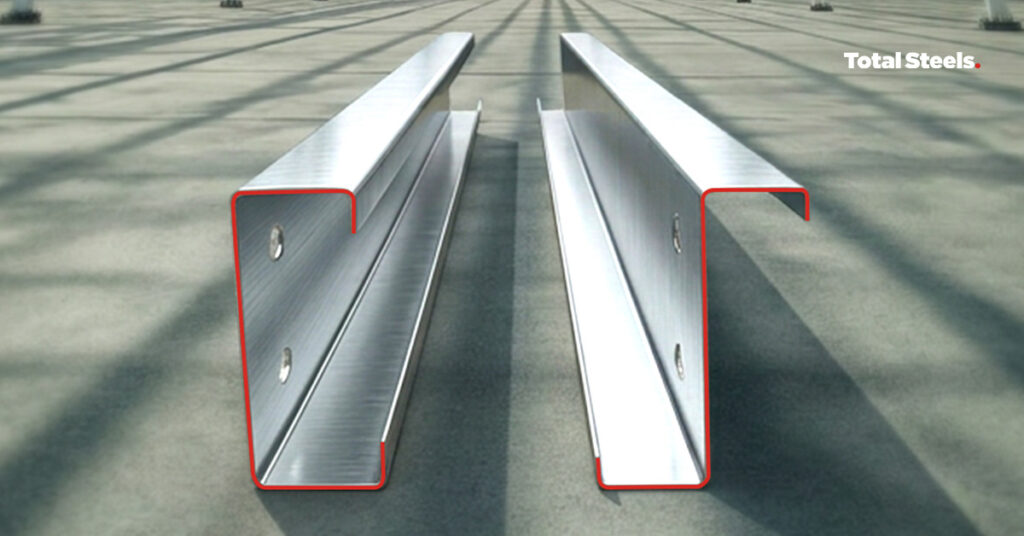
The ceiling framework supports the entire installation.
Poorly manufactured profiles can lead to:
- Alignment issues
- Uneven ceilings
- Installation delays
Consistent profile dimensions improve both appearance and installation efficiency.
Overlooking Corrosion Resistance
Ceiling systems are expected to perform for years.
Galvanized steel profiles help protect against:
- Humidity
- Moisture exposure
- Environmental wear
Proper corrosion protection contributes to longer service life.
Using Incompatible Components
Framework systems should be designed to work together.
Mixing profiles and accessories from different sources can create:
- Installation difficulties
- Performance issues
- Reduced reliability
Using compatible systems improves overall performance.
Failing to Consider Application Requirements
Different projects have different needs.
For example:
- Hospitals require durable and reliable systems
- Offices prioritize aesthetics and maintenance access
- Industrial facilities may require higher load capacities
The ceiling framework should match the project requirements.
Ignoring Installation Quality
Even the best products require proper installation.
Common issues include:
- Incorrect spacing
- Poor suspension support
- Improper alignment
Professional installation ensures the system performs as intended.
Not Evaluating Supplier Capability
A reliable supplier should provide:
- Consistent quality
- Technical support
- Product documentation
- Timely delivery
This becomes particularly important for large commercial projects.
Final Thoughts
A false ceiling system is more than a decorative finish.
Its performance depends on the quality of the supporting framework, manufacturing accuracy, corrosion protection, and installation practices.
By focusing on quality rather than price alone, builders can achieve better long-term performance, improved aesthetics, and reduced maintenance costs.