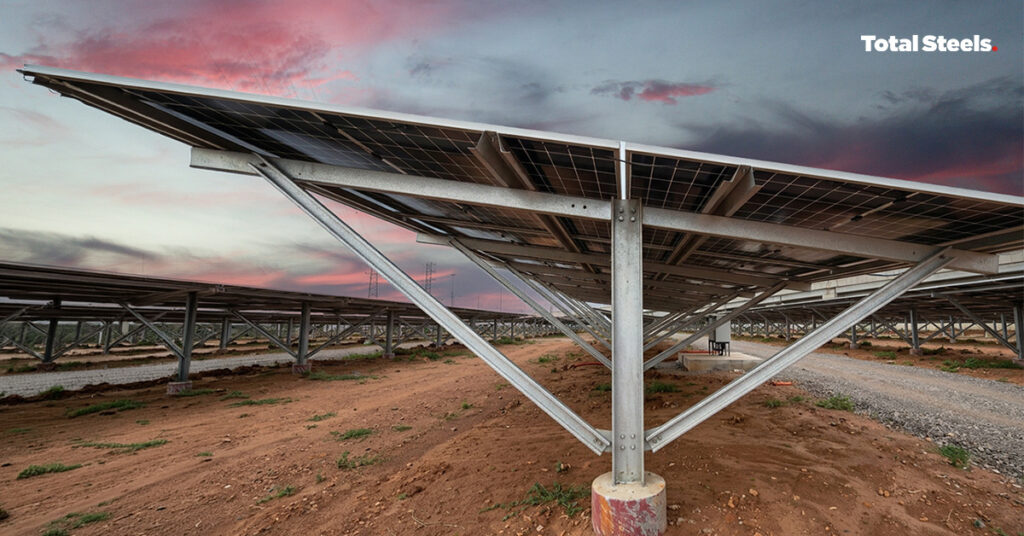
Solar energy has become an important source of clean and renewable power for homes, businesses, industries, and large-scale solar projects. As the demand for solar power continues to grow, having a strong and reliable system to support solar panels is equally important. This is where Solar Module Mounting Structures play a crucial role.
A Solar Module Mounting Structure (MMS) is the structural framework used to securely hold and support solar panels in the required position and angle. These structures are designed to provide stability, durability, and protection against environmental conditions such as wind, rain, and outdoor exposure.
For a solar power system to operate safely and reliably over many years, choosing a properly engineered mounting structure is essential.
What Are Solar Module Mounting Structures?
Solar Module Mounting Structures are specially designed steel or aluminium frameworks that support solar panels and connect them securely to the roof, ground, or other supporting surfaces.
Solar panels need to remain at a suitable angle and orientation to receive sunlight effectively. The mounting structure provides the necessary support while maintaining the position of the modules throughout their service life.
Depending on the project requirements, Solar Module Mounting Structures can be used for:
- Ground-mounted solar power plants
- Residential rooftop solar systems
- Commercial and industrial rooftops
- Solar carports
- Utility-scale solar farms
- Agricultural and agrivoltaic projects
- Fixed-tilt solar installations
- Solar tracker systems
The design of the structure depends on factors such as project size, panel type, site conditions, wind loads, foundation requirements, and installation method.
Why Are Solar Module Mounting Structures Important?
Solar panels are exposed to outdoor environmental conditions throughout their operating life. A properly engineered mounting system helps keep the panels securely positioned and provides the structural support required for the complete solar installation.
Some of the major benefits include:
1. Provides Strong Support for Solar Panels
The primary purpose of a Solar Module Mounting Structure is to provide a stable framework for solar modules.
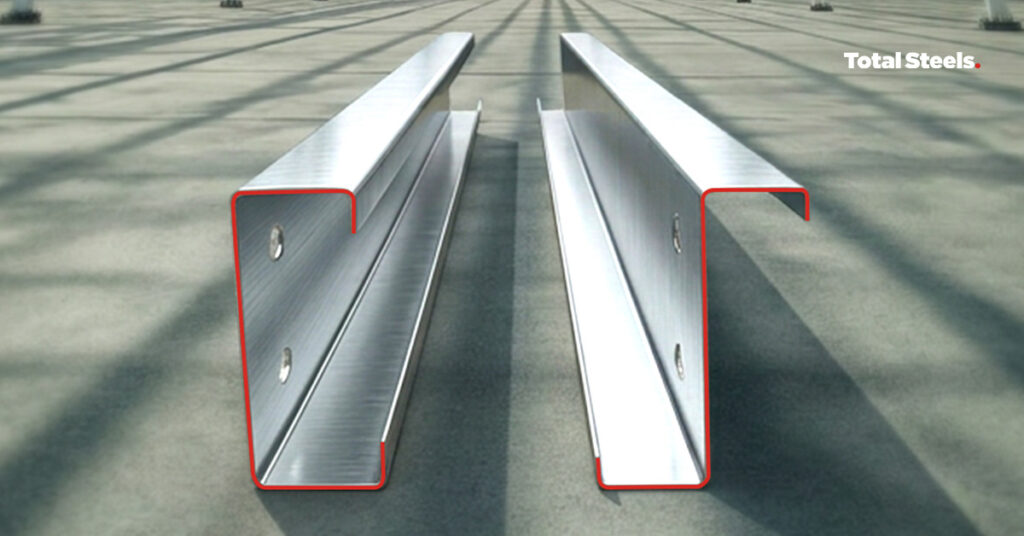
The structure supports the weight of the panels and helps maintain their alignment. Properly designed components such as columns, rafters, purlins, bracing, and rails work together to create a stable solar mounting system.
2. Helps Maintain the Correct Panel Angle
The angle at which solar panels are installed can affect their exposure to sunlight. Mounting structures are designed to position the panels according to project requirements and site conditions.
Fixed-tilt structures can be designed with specific tilt angles, while tracker systems can provide adjustable movement to follow the sun.
3. Provides Wind Resistance
Solar installations are exposed to wind throughout their operating life. Strong wind can place significant loads on solar panels and their supporting structures.
For this reason, Solar Module Mounting Structures need to be designed according to the wind conditions of the installation site.
Total Steels designs its solar structures according to applicable wind-load requirements and site-specific conditions. Its product specifications include designs for Indian wind zones, with wind speeds depending on the location and terrain.
4. Improves Long-Term Durability
Solar mounting structures are installed outdoors and can be exposed to moisture, humidity, rain, dust, and other environmental conditions.
Corrosion protection is therefore an important consideration when selecting a mounting structure.
Total Steels provides HDG-coated Solar Module Mounting Structures and also highlights advanced Zn-Al-Mg coating options such as POSMAC®, Magnelis®, and SuperDyma® for enhanced corrosion protection and outdoor durability.
5. Supports Different Solar Applications
One of the major advantages of Solar Module Mounting Structures is their versatility.
Different structures can be designed according to the type of solar installation.
Ground Mounting Structures:
Used for open-field and utility-scale solar projects. These systems can be designed as fixed-tilt or agrivoltaic structures.
Rooftop Mounting Structures:
Used for residential, commercial, and industrial rooftop solar installations.
Solar Carports:
Solar panels are installed above parking areas, providing both solar generation and covered parking space.
Tracker Structures:
Tracker systems are designed to move the solar panels according to the sun’s position and are commonly used in large-scale solar projects.
Total Steels provides mounting solutions for ground-mounted systems, rooftops, solar carports, trackers, and agrivoltaic applications.
Main Components of a Solar Mounting Structure
A Solar Module Mounting Structure consists of several components that work together to support the solar panels.
Common components include:
- Column Posts – Provide the main vertical support.
- Rafters – Support the upper structural framework.
- Purlins – Provide support for solar modules and other structural elements.
- Bracing – Helps improve structural stability and resistance to loads.
- Rails – Used to securely attach solar modules.
- Foundation System – Transfers structural loads safely to the ground or supporting surface.
- Fasteners and Bolts – Connect the different structural components.
The exact configuration varies depending on the solar project, installation location, panel specifications, and structural requirements.
Types of Solar Module Mounting Structures
Ground-Mounted Solar Structures
Ground-mounted Solar Module Mounting Structures are installed directly on open land and are widely used for solar farms and utility-scale projects.
They can be designed for large projects and can use driven piles, concrete foundations, or other site-specific foundation solutions.
Rooftop Solar Mounting Structures
Rooftop mounting structures are installed on residential, commercial, and industrial buildings.
They can be designed for different roof types, including flat roofs and pitched roofs. Proper engineering is important to ensure that the structure is compatible with the building and roof conditions.
Solar Carport Structures
Solar carports combine solar power generation with parking infrastructure.
These systems can be installed at locations such as commercial properties, corporate campuses, malls, and airports. They can also be designed to support EV charging infrastructure.
Solar Tracker Structures
Solar tracker mounting structures allow solar modules to change their orientation during the day.
These systems are generally used in larger solar projects where additional energy yield is an important consideration.
Agrivoltaic Structures
Agrivoltaic systems combine agriculture and solar energy by allowing crops to be cultivated below elevated solar structures.
These systems can help make dual use of land for agricultural and solar applications.
What Materials Are Used in Solar Mounting Structures?
Steel and aluminium are commonly used materials in solar mounting systems.
Steel provides the structural strength required for supporting solar modules, while aluminium can be used for specific components such as module rails.
Material selection depends on structural requirements, environmental conditions, project specifications, and design considerations.
Total Steels specifies steel grades including IS 4923 and IS 2062 Grade B and offers aluminium rail options such as 6005-T5 and 6061-T6 for suitable applications.
Why Corrosion Protection Matters
Because Solar Module Mounting Structures are exposed to outdoor conditions for many years, corrosion protection is an important part of structural design.
Galvanization and advanced metallic coatings can help protect steel components from corrosion and environmental exposure.
Total Steels states that its Solar Module Mounting Structures can be supplied with a minimum 85-micron zinc coating according to its stated specifications, with coating inspection and documentation as part of its quality process.
How to Choose the Right Solar Module Mounting Structure
Selecting the right mounting structure requires more than simply choosing a standard product. The structure should be designed according to the requirements of the specific project.
Important factors include:
Site Location
The location of the solar project affects wind conditions, environmental exposure, foundation requirements, and structural design.
Wind Load
Wind load is one of the most important structural considerations. The mounting system should be designed according to the applicable standards and site-specific wind conditions.
Solar Panel Type
The structure should be compatible with the dimensions, weight, and mounting requirements of the selected solar modules.
Installation Type
The requirements for a rooftop, ground-mounted system, carport, or tracker are different. Selecting the appropriate structure helps ensure proper installation.
Foundation Conditions
Ground-mounted projects require suitable foundations based on soil and site conditions. Options can include driven piles, concrete foundations, or other engineered solutions.
Corrosion Protection
For long-term outdoor applications, selecting an appropriate protective coating can help improve the durability of the structure.
Why Choose Total Steels for Solar Module Mounting Structures?
Total Steels provides engineered Solar Module Mounting Structures designed for different solar applications across India.
The company offers solutions for ground-mounted solar projects, rooftop installations, solar carports, tracker systems, and agrivoltaic applications. Its structures are designed around project-specific requirements, including wind loads, panel specifications, tilt angles, foundation conditions, and installation requirements.
Total Steels also provides bolt-assembled structures designed to avoid on-site welding, along with engineering and documentation support for applicable projects. The company states that its documentation packages can include structural calculation reports, IS 875 compliance documentation, material test certificates, coating inspection reports, installation drawings, and warranty documentation.